AEROSPACE INDUSTRY
With significant effects of the COVID pandemic and the benefits of the vaccine, the 2021 and 2022 tactical intent of commercial aerospace manufacturers are focused on restructuring and cost reduction to position themselves for profitable growth in the long term. Lower aircraft demand and restrictions on the movement of people and goods due to the pandemic led to a breakdown of many essential A&D supply chains in 2020. This has resulted in an impact on smaller suppliers, especially those with heavy exposure to the commercial aerospace industry and the aftermarket business.
To sustain a global marketplace, the question remains to be seen if the aerospace industry will drive innovation to more effectively mitigate future pandemics. One example of such innovations is applied at Los Angeles World Airports (LAWA), a member of the FTE Innovation & Startup Hub, LAWA deployed thermal camera technology that can help identify travelers with an elevated body temperature, as part of a new Terminal Wellness Project in response to the COVID-19 health crisis.



Innovations Against Global Pandemics
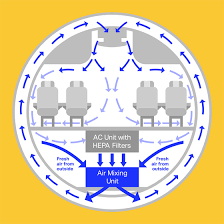
The advent of AI makes it plausible for airframes’ ventilation systems to detect airborne viruses.

Dogs are trained to be able to identify COVID-positive passengers.
The Aerospace Industries Association (AIA) is leading a coalition of organizations representing the world’s leading aerospace manufacturers, airlines, pilots, and operators in calling for a delay to the deployment of 5G technologies to the C-band until the safety and efficiency of the National Airspace System (NAS) is ensured.




In a letter to the National Economic Council (NEC), the coalition urges collaboration with the Federal Communications Commission (FCC) and the Federal Aviation Administration (FAA) to convene a joint industry working group to bring the aviation and telecommunications industries together to find a long-term solution that will protect the flying public by ensuring radio altimeters operate accurately while allowing 5G to roll out safely.


The slowing of the Asia-Pacific region, which has been re-evaluating much of its aerospace and defense needs in the past few years, resulted in increased attention on the market from the United States and Europe-based companies. Many commercial airlines have looked for ways to reduce costs. Much of this is being tackled by simulated data, allowing airlines to plan their maintenance and repairs ahead of time.

While aircraft manufacturers remain optimistic about the future, the CEO of Boeing is reported to believe that the world will need more than 40,000 new aircraft in the next 20 years, resulting in a multi-trillion-dollar market.
Aircraft manufacturers are using machine learning technologies such as artificial intelligence (AI) to improve the safety and quality of aircraft and increase production efficiency. Machine learning algorithms collect data from machine-to-machine and machine-to-human-machine interfaces and use data analysis to drive effective decision-making. These technologies can optimize manufacturing operations and reduce costs.


 quantensprunggroup.com